KidsTravelLab
Kids Bike Helmet Fit Guide
A helmet only works if it fits. The two-finger test for straps and the eye-level rule for position, plus when to retire a helmet after a hit.
By KidsTravelLab Editorial Team ·
Short answer: A helmet only works if it fits. The two-finger test for straps and the eye-level rule for position, plus when to retire a helmet after a hit.
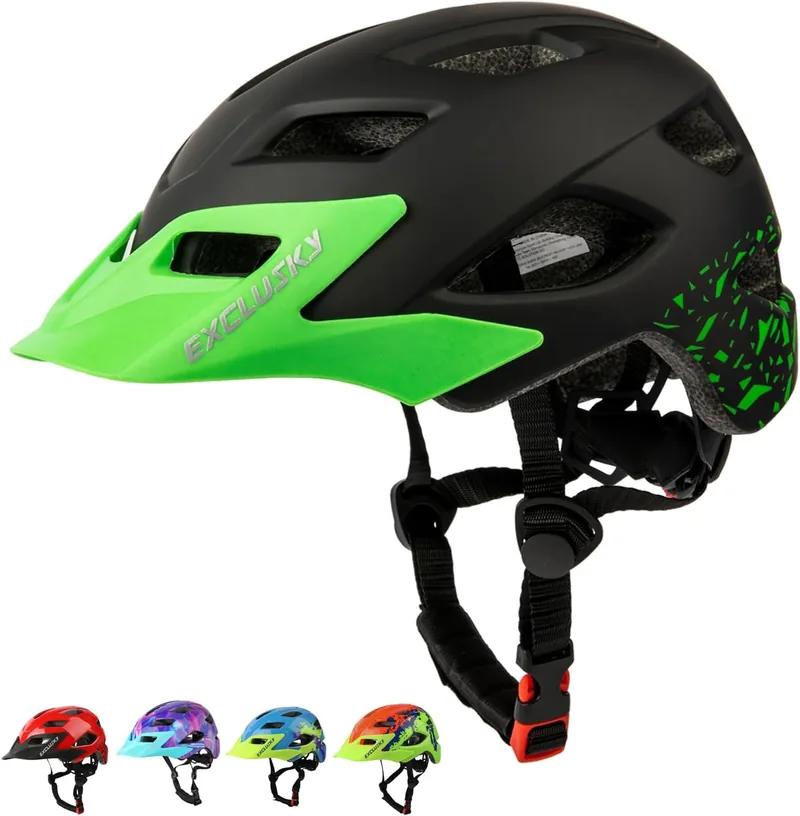
A helmet that fits is the single most effective thing you can put on a child on a bike. This guide covers the fit checks anyone can do in two minutes, and the mistake that makes a helmet useless.
Position: level, not back
The helmet should sit level on the head, low on the forehead — the front edge about two finger-widths above the eyebrows. The most common error is pushing it back like a hat, which leaves the forehead exposed exactly where a fall hits first.
The strap test
Buckle and tighten until the straps form a clean Y just under each ear, with no slack. A correctly tightened strap lets you fit no more than one or two fingers between strap and chin, and the helmet should not rock more than an inch when you push it front-to-back.
The eye-level rule
Ask the child to look up. They should see the front rim of the helmet. If they cannot, it is too high on the head and will not protect the forehead.
Fit to the head, not the age
Helmets are sized by head circumference, not age. Measure around the widest part of the head and match the label. A helmet that rocks or slides is the wrong size, even if the box said the right age.
After a crash
A helmet that has absorbed one impact has done its job and should be replaced, even if there is no visible crack. The foam compresses once; it does not reset. This is true for every helmet, cheap or expensive.
When to move on
Children outgrow helmets faster than they outgrow bikes. Re-measure every season; a helmet that sat level last spring may now ride up. The first bike guide assumes a fitted helmet from the first ride, and so should every ride after.
Further reading
Related Reviews
Products Mentioned in This Guide
- JOYSTAR Angel Girls Bike for Toddlers and Kids Ages 2-13 Years Old, 12 14 16 18 20 Inch Kids Bike with Training Wheels & Basket, 20 24 Inch Girls Bicycle with Handbrake & KickstandSource-based score, full specs & safety checklist for the JOYSTAR Angel Girls Bike for Toddlers and Kids Ages 2-13 Years Old, 12 14 16 18 20 Inch Kids Bike with Training Wheels & Basket, 20 24 Inch Girls Bicycle with Handbrake & Kickstand.
- JOYSTAR Pluto 12 14 16 18 20 Inch Kids Bike with Light Up Training Wheels, Kids' Bicycle for Boys Girls Age 3-12 Years, Children Bikes, Multiple ColorsSource-based score, full specs & safety checklist for the JOYSTAR Pluto 12 14 16 18 20 Inch Kids Bike with Light Up Training Wheels, Kids' Bicycle for Boys Girls Age 3-12 Years, Children Bikes, Multiple Colors.
- JOYSTAR 12 14 16 18 Inch Kids Bike for 2-9 Years Girls, Toddler Girls Bike with Training Wheels, Rainbow Bikes, Children BicySource-based score, full specs & safety checklist for the JOYSTAR 12 14 16 18 Inch Kids Bike for 2-9 Years Girls, Toddler Girls Bike with Training Wheels, Rainbow Bikes, Children Bicy.
Continue browsing the full guide library.